

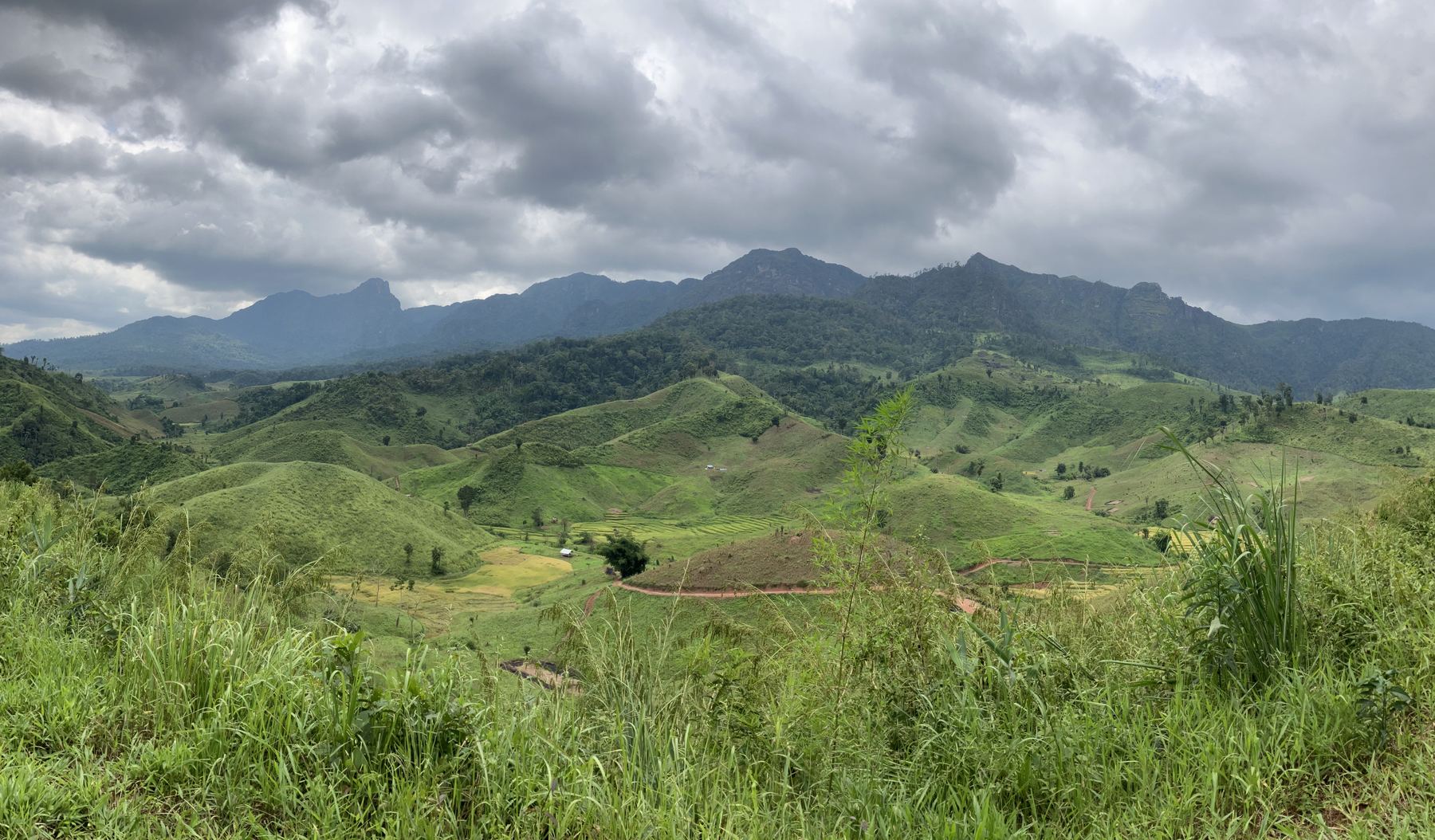
Time-out stays in Switzerland and Laos
Stepping back, discovering one’s resources and finding new momentum.
When daily life becomes a source of tension, when difficulties pile up or when a young person can no longer find their place, a change of environment can open up new perspectives.
Trouver ses Ailes offers time-out stays in Switzerland and Laos, designed as genuine socio-educational support programmes. Through human experiences, suitable challenges and commitment to meaningful activities, young people are encouraged to discover their resources, develop their skills and once again take charge of their own path.
Each stay is part of an individual plan, built with the young person, their family and, where appropriate, their professional network.
Who are these stays for?
Time-out stays are intended for teenagers and young adults facing difficulties in their personal, family, school, social or working life.
They may be particularly suitable in situations of:
- Dropping out of school or interrupted training;
- Loss of motivation, self-confidence or bearings;
- Difficulties fitting in at school, socially or at work;
- Social isolation or withdrawal;
- Relationship and family difficulties;
- Difficulties with emotional regulation;
- Special needs related to neurodevelopmental disorders;
- Behavioural disorders and rule-breaking behaviour;
- Risk-taking behaviour and complex socio-educational issues.
Whether a young person is directed towards a stay in Switzerland or in Laos depends on their profile, their needs, their ability to adapt and the level of supervision required.
Situations requiring enhanced support because of complex behavioural issues are referred exclusively to the stays in Switzerland, subject to a prior assessment.
Two destinations, one shared approach to support
Time-out stays in Switzerland
Nature, adventure and commitment as levers for change.
The stays in Switzerland offer a setting that encourages stepping back, trying things out and personal remobilisation. Away from everyday habits and demands, the young person evolves in an environment that fosters self-discovery, responsibility and the development of new skills.
Nature is a genuine medium for socio-educational support. It offers concrete experience of cooperation, managing effort, adapting to the unexpected, respecting a framework and pushing one’s own limits.
These stays can also support young people with special needs or more complex socio-educational issues, who need a structuring framework and enhanced specialised support.
Experiences offered
- Stays in the mountains, in a chalet or in a mayen (a traditional mountain hut);
- Hikes and multi-day treks in the heart of nature;
- Bivouacs and introductory wilderness survival camps;
- Discovery and learning activities carried out independently;
- Individual and group challenges suited to the young person’s abilities;
- Taking part in community, social or environmental projects in Switzerland;
- Activities that encourage cooperation and responsibility.
The activities are not an end in themselves, but educational tools for working on the socio-educational objectives defined beforehand.
Time-out stays in Laos
Intercultural openness and solidarity to give new meaning to one’s path.
Organised in collaboration with the Terre des Sourires association, the stays in Laos give young people the opportunity to discover a different social and cultural reality, far from their usual bearings.
Alongside rural communities in northern Laos and the local team, the young person experiences a different daily life, gets involved in concrete activities and discovers new ways of living, cooperating and building connections.
Intercultural immersion and solidarity encourage stepping back, openness to others, a sense of being useful and recognition of personal skills.
Experiences offered
- Immersion in an intercultural environment;
- Taking part in activities linked to Terre des Sourires projects;
- Discovering the daily life of rural communities;
- Commitment to collective and community projects;
- Taking on new responsibilities;
- Activities that build autonomy and adaptability;
- Time for discussion, reflection and individual support.
This immersion is grounded in respect, reciprocity and humility towards the host communities.
Why Laos?
As founder and president of the Terre des Sourires association, I have been working for nearly twenty years with rural communities in northern Laos, particularly on access to drinking water, hygiene and education.
My knowledge of the area, the relationships of trust built over the years with the communities and the presence of a local team are essential resources for running these stays.
Length and arrangements
Time-out stays, in Switzerland as in Laos, last two to four weeks, depending on the young person’s profile, their needs and the socio-educational objectives set.
The destination, length, activity programme and supervision arrangements are decided after an individual assessment, in consultation with the young person, their family and, where appropriate, their professional network.
Each stay is therefore tailor-made, taking into account the young person’s resources, difficulties and pace of progress.
Socio-educational objectives
The support is based on experiential learning, which places young people at the heart of their own learning through action, experimentation and reflection on what they have experienced.
Depending on the needs identified, the stays aim in particular to:
- Strengthen self-esteem and a sense of competence;
- Identify and draw on personal resources;
- Develop autonomy and adaptability;
- Strengthen psychosocial and relational skills;
- Develop emotional regulation skills;
- Work on managing frustration and impulsivity;
- Experience a constructive relationship with rules, effort and responsibilities;
- Develop cooperation and problem-solving skills;
- Step back and reflect on their own ways of functioning;
- Regain momentum, motivation and commitment;
- Build new personal, educational or professional prospects.
The aim is not to transform the young person, but to help them get to know themselves better, recognise their skills and consider new possibilities for the next stage of their path.
Support before, during and after the stay
A time-out stay is not an isolated intervention. It is part of continuous socio-educational support, aimed at giving meaning to the experience and helping the young person carry what they have learned into daily life.
- 1
Before the stay · Prepare
Preliminary interviews with the young person, their family and, if necessary, their professional network help to better understand their situation, identify their needs and resources, assess whether the programme is suitable and define the support objectives.
This preparation phase also helps to build a relationship of trust and to encourage the young person’s commitment to the project.
- 2
During the stay · Experience
The young person evolves in a caring, structured and secure setting, alternating concrete activities, daily responsibilities, group experiences and individual support time.
Observations made throughout the stay make it possible to adjust the socio-educational interventions, highlight progress and support the young person through the difficulties they encounter.
- 3
After the stay · Consolidate
An individual review highlights the resources drawn upon, the skills developed, the changes observed and the areas still to work on.
Support after the return aims to help the young person carry what they have learned into daily life and to ensure continuity in their personal, educational, social or professional plans, in collaboration with those around them and their network.
The details of the stays
Admission criteria, supervision and partnership, to unfold as your questions arise.
Admission criteria
Each request is assessed beforehand to determine whether the programme suits the young person’s needs and is compatible with the supervision conditions.
For stays in Switzerland
The stays in Switzerland are also open to young people with:
- Neurodevelopmental disorders and special needs;
- Behavioural disorders;
- Oppositional or rule-breaking behaviour;
- Significant difficulties with emotional regulation;
- Risk-taking behaviour;
- Complex socio-educational issues requiring enhanced support.
Admission is assessed case by case, taking into account the young person’s specific needs, the professional resources available and the conditions required for their safety and that of those around them.
For stays in Laos
The stays in Laos are mainly intended for young people who have dropped out of school or training, who are socially disengaged, who have lost motivation or who are questioning their future.
The young person must have a level of autonomy and adaptability compatible with immersion abroad.
Active addiction problems, violent behaviour and situations requiring intensive therapeutic or socio-educational support are not compatible with this programme.
Professional and safe supervision
The stays are designed to be supervised by professionals in special needs education, with an approach that respects each young person’s individuality, needs and pace.
Particular attention is paid to:
- Assessing needs and risks beforehand;
- Tailoring the support plan to the individual;
- Adapting activities to the young person’s abilities;
- Physical and emotional safety;
- The quality of the socio-educational relationship;
- Working together with families and the professionals in the network;
- Anticipating emergency situations;
- Continuity of support after the return.
Each stay is organised in compliance with the legal requirements, the necessary authorisations and the safety conditions specific to the destination and the activities offered.
A partnership approach
Time-out stays can be part of a support plan initiated by families, educational institutions, schools, social services or the professionals working with the young person.
Working together with the various people in the network ensures consistent interventions and shared objectives, and makes the stay part of a lasting support process.
For both destinations, the young person’s commitment to the project is an essential condition. A time-out stay is neither a sanction, nor a forced removal, nor an alternative to medical or psychiatric care.
Let’s talk about your project
Are you a parent or a professional supporting a young person for whom a time-out stay could open up new perspectives?
A first conversation will help to better understand their situation, assess whether the programme is suitable and consider support adapted to their needs.
Get in touch